

Physical Activity
Being more active helps you stay a healthy weight, feel happier, and reduce stress. It makes your muscles and bones stronger and lowers the risk of heart disease. It also helps reduce the risk of diabetes, high blood pressure, and stroke.
Being active also helps children and young people to improve their learning and do well in school.
You don’t need to wait to get started. Our bodies are made to move, and even a little activity helps. The biggest health benefits come from moving, from doing nothing to doing something! It is never too late to start!
Being active can also help if you have a long-term health condition. It can help you feel better day to day.
- Find simple ways to build activity into your routine.
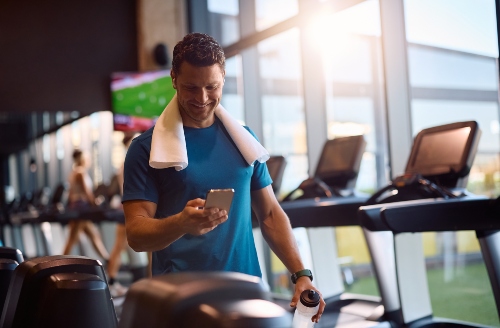
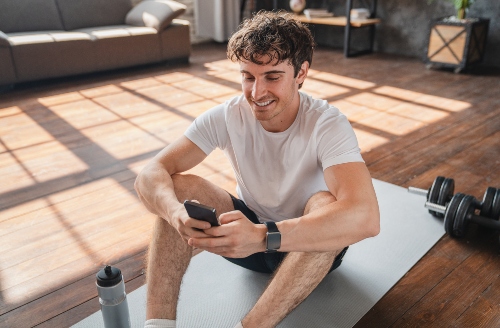
- There are some great fitness apps for your phone to help you stay on track with building physical exercise levels.
If you have a health condition, have had a fall, or feel unsure, please speak to a healthcare professional about how to be active safely.
Wherever you are, there are opportunities available to be more active. Find out more if you live in Carmarthenshire.
Parkrun is a free weekly 5K event held in parks across the country, every Saturday at 9am. It is for everyone, not just runners. You can walk or jog too. There are even junior events for 4-14 years.
Need some help working out how much is a good amount of exercise to do? Here are some other useful links to support your physical activity goals.
- Physical activity for pregnant women
- Physical activity for early years (birth to 5 years)
- Physical activity for children and young people (5 to 18 years)
- Physical activity guidelines for children and young people with disabilities
- Physical activity benefits for adults and older adults
- UK Chief Medical Officers' physical activity guidelines
Being physically active can be daunting for all of us, especially when living with a mental or physical disability. There are many opportunities for you to become more active.
The Health Disability Activity Pathway has been set up to support disabled people to be more active. You can find your local contact to discuss inclusive and disability specific activities near you.
Exercising safely
Here are some tips to ensure you’re safe when exercising:
- Wear high-vis or reflective clothing when exercising at night so vehicles can spot you easily
- Stay hydrated during exercise
- Wear appropriate clothing to ensure you can stay cool during exercise
- Prepare appropriately for the weather conditions, for example, wearing sun cream a hat and sunglasses in hot, sunny conditions
- Do some exercises before and after exercising to warm up and cool down well.
Here are some great links to information to help you:
Take this short quiz, to find out which activity type suits you:
Here are some tips to support you to get started
- Set yourself a small goal to achieve to keep you engaged, for example: 2,000, 3,000 or 4,000 steps a day
- Try a range of different activities and ways of movement.
- Try to find a regular time during each week to exercise
- Build activity into your daily routine, walking or cycling instead of driving, take the stairs instead of lifts and park further away from shops.
- Stand up during advert breaks when watching TV, or between meetings at work.
- Break up long periods of sitting with light stretching or movement. Here is a video with a chair based 10-minute movement guide.