

Tywi Valley path
The landmark 13-mile walking and cycling route through the Tywi Valley has been officially opened, marking a major milestone for sustainable travel and tourism in Carmarthenshire.
The Tywi Valley Path, which follows the route of a former railway line closed in 1963, has been delivered through a £16.7 million investment from the UK Government, alongside funding and support from Carmarthenshire County Council and regional contractors.
The path provides a wonderful resource for walking, cycling and wheeling. This shared use path through one of Wales’s most picturesque landscapes connects Carmarthen and Llandeilo with a direct route, allowing local residents and visitors to access services and hospitality and enjoy the landscape. From supporting local businesses through its construction to boosting local tourism, the economic legacy of the route will continue for years to come.
The Tywi Valley Path is a much-anticipated new facility for both residents of and visitors to Carmarthenshire supporting sustainable transport, promoting healthier lifestyles, and stimulating the local tourism and rural economy. Council officers are working with leisure providers, hospitality businesses, and event organisers to maximise the route’s impact and connect it with other traffic-free paths across the county.
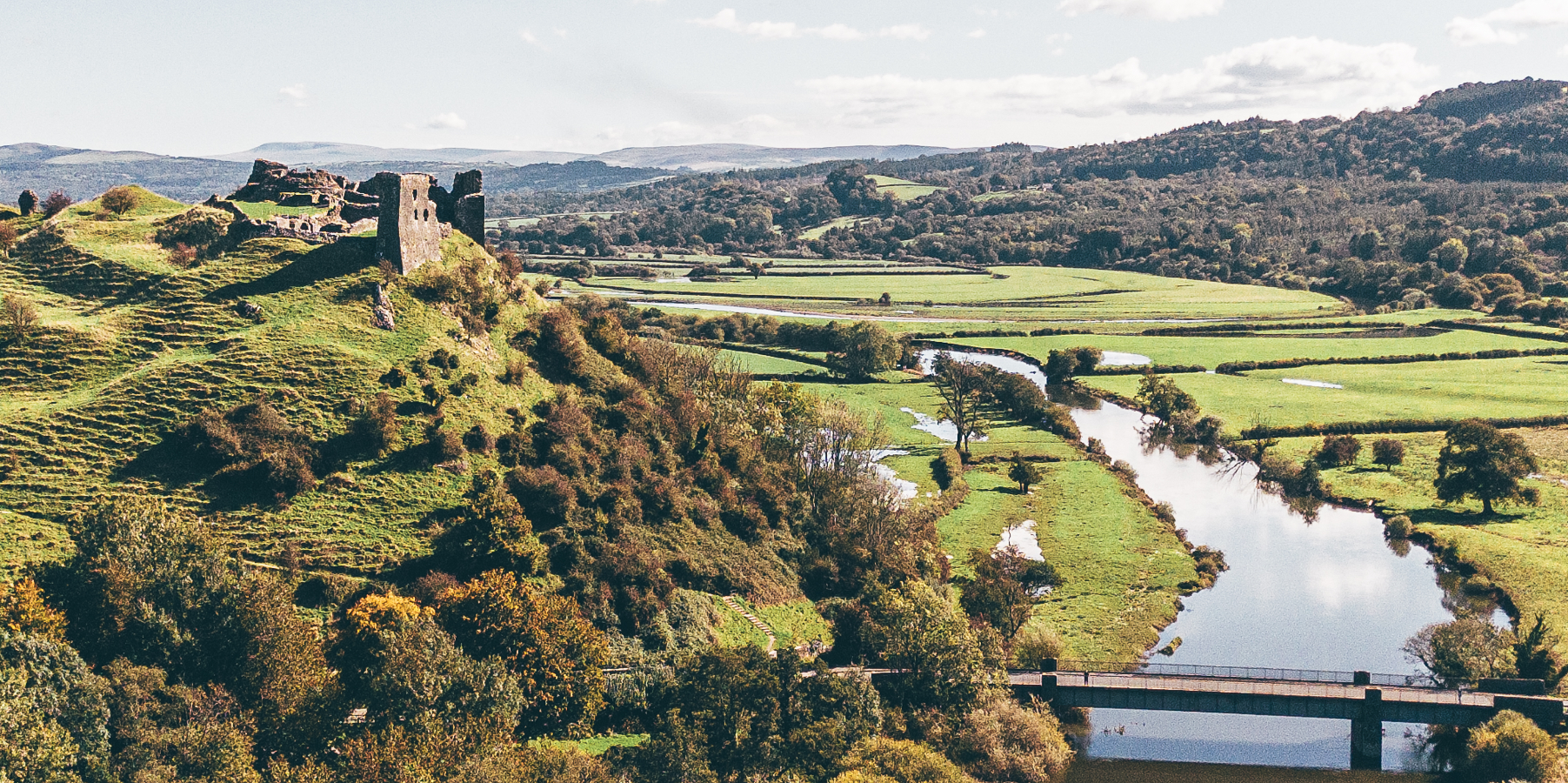
The route offers a safe, accessible and scenic corridor for cyclists, walkers, families and visitors, guiding them through some of Carmarthenshire’s most spectacular landscapes. Along the way, users can enjoy panoramic views across the Tywi Valley, including Paxton’s Tower, Dryslwyn Castle and Dinefwr Castle, each set within the dramatic rolling countryside. With the landscape constantly changing throughout the seasons, the path offers year‑round beauty.
The surrounding area offers a wealth of attractions for visitors, with Carmarthen Museum at Abergwili and the tranquil Parc Yr Esgob close to the route, as well as some of Wales’s most celebrated gardens, including the National Botanic Garden of Wales, Aberglasney and Gelli Aur (Golden Grove).
Food lovers can enjoy excellent local stops, including Wrights Food Emporium, Stacey’s Kitchen and a range of independent cafés and places to eat. With the vibrant market towns of Carmarthen and Llandeilo anchoring each end of the path, visitors have excellent opportunities to start or finish their journey with shopping, culture and local hospitality.
The path acts as a key cultural and leisure corridor, encouraging longer stays and repeat visits that directly support the local visitor economy, ensuring economic benefits are felt by town centres, rural businesses and community enterprises alike.

